Part One: The Gate She Almost Walked Past
The gate was the colour of something that had once been blue.
Nora noticed it on a Tuesday in early June, on a walk she had been taking every evening since the redundancy, not because she particularly wanted to walk, but because the flat had begun to feel like something she was too present in, and walking was the one activity that seemed to let the feeling expand far enough to breathe.
She had walked this street before. She was certain of it. She had been walking these streets for seven years, since she’d moved to this part of the city for the job that had now dissolved. But the gate had not registered until this particular Thursday, when she walked past it, walked six more steps, stopped, and walked back.
It was set into a wall that she had always simply registered as wall. An old brick wall, mid-terrace, with the kind of age that makes walls look as though they grew there. But now she could see that the gate was there. Blue, weathered, slightly ajar. And through it, at an angle, the unmistakable geometry of cultivated ground.
A garden. She pushed the gate open and walked through.
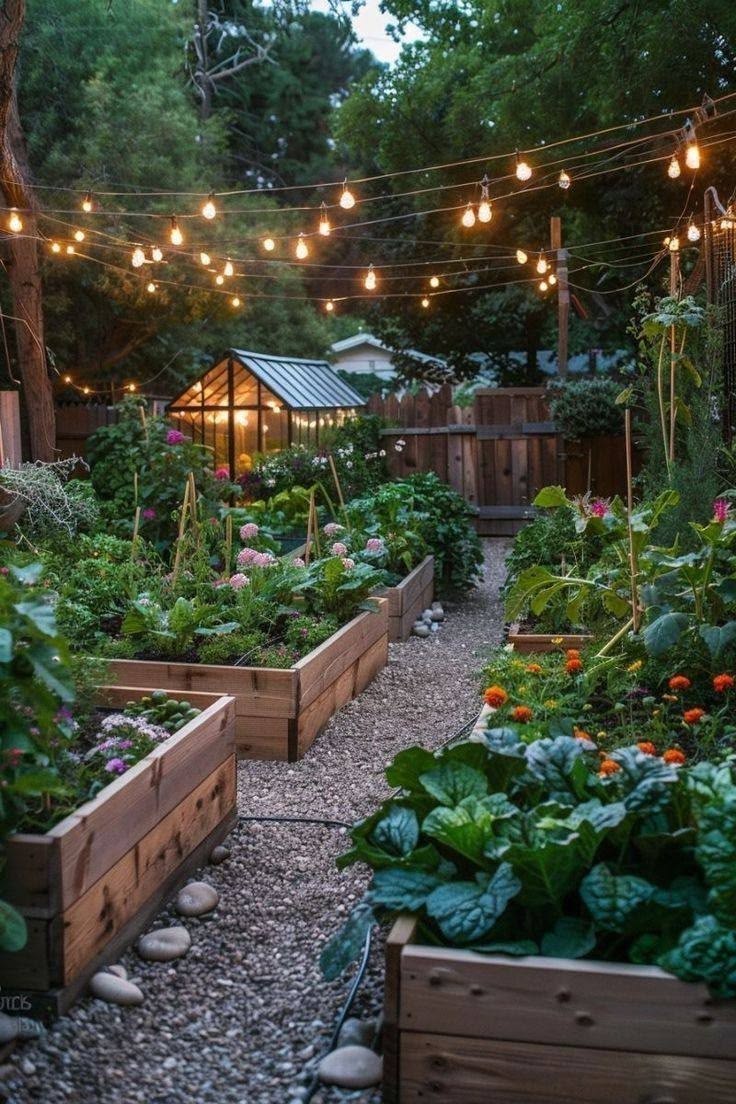
It was larger than the entrance suggested. It always is, she would later think. The best things in cities are the ones that hide behind unassuming doors. A long rectangular plot, bounded by walls on three sides and by the backs of terrace houses on the fourth. Full of the particular kind of abundance that happens when many people tend adjacent plots without coordination. A quilt of different approaches, different plants, different aesthetics stitched together into something that worked despite itself.
She stood just inside the gate and looked at all of it.
Then a voice said: “First time?”
The woman was perhaps seventy, kneeling at the bed nearest the gate with the ease of someone whose knees had made their peace with kneeling a long time ago. She wore a hat and gloves and the expression of someone who has found something to do that makes complete sense to them.
“I didn’t know this was here,” Nora said.
“Most people don’t,” said the woman, as though this were simply a fact about the world and not a thing that required comment. “I’m Cecile. You can have the plot at the far end, if you want. It needs someone.”
Nora looked at the far end of the garden, where she could just make out an overgrown patch that seemed to have been left to its own devices for some time.
“I don’t know how to garden,” she said.
“Most of us didn’t, when we started,” said Cecile.
She went home that evening with a small booklet about community plots, a piece of paper with Cecile’s phone number, and the particular sensation, unfamiliar enough to be almost startling, of wanting something.
Part Two: What the Garden Held
Subscribe to get access
Read more of this content when you subscribe today.
Leave a Reply